

Acrylic-Polyurethane Hybrid Commercial Roof Coatings Have Many Advantages Compared to Silicone
Updated: Jun 16
When it comes to protecting commercial roofs, choosing the right coating can make a significant difference in durability, cost, and maintenance. Acrylic-polyurethane hybrid roof coatings have become a popular choice for many contractors and building owners. They offer several advantages over traditional silicone coatings. I want to share what I’ve learned about these coatings and why acrylic-polyurethane hybrids might be the better option for your next roofing project.
Why Roof Coatings Matter for Commercial Buildings
Commercial roofs face tough conditions. They endure harsh sunlight, rain, temperature swings, and sometimes foot traffic. Without proper protection, roofs can develop leaks, cracks, and other damage that leads to costly repairs or early replacement.
Roof coatings add a protective layer that extends the life of the roof. They reflect sunlight, reduce heat buildup, and seal small cracks. This helps lower energy costs and prevents water damage. But not all coatings perform the same. The choice between silicone and acrylic-polyurethane hybrid coatings can affect how well your roof holds up over time.
What Are Acrylic-Polyurethane Hybrid Roof Coatings?
Acrylic-polyurethane hybrid coatings combine the best features of acrylic and polyurethane materials. Acrylic coatings are known for their excellent UV resistance and reflectivity. Polyurethane coatings offer strong adhesion and flexibility. When blended, these hybrids create a coating that is durable, elastic, and resistant to weathering.
This hybrid formula provides a tough barrier against water, chemicals, and physical wear. It also maintains its color and reflectivity longer than many other coatings. The result is a roof that stays protected and energy-efficient for years.

Close-up of acrylic-polyurethane hybrid roof coating on commercial roof surface
Comparing Acrylic-Polyurethane Hybrid to Silicone Coatings
Silicone coatings have been popular for their waterproofing and flexibility. But acrylic-polyurethane hybrids offer several advantages that make them a strong alternative.
Durability and Longevity
Silicone coatings resist water well but can degrade under dirt and pollutants. They tend to attract dirt, which reduces reflectivity and can lead to faster wear. Acrylic-polyurethane hybrids resist dirt buildup better and maintain their protective qualities longer.
The hybrid coatings also handle foot traffic and mechanical damage better. This makes them ideal for roofs that need occasional maintenance or equipment access.
Adhesion and Compatibility
Silicone coatings sometimes have poor adhesion to certain roof materials or previous coatings. This can cause peeling or blistering over time. Acrylic-polyurethane hybrids bond strongly to a wide range of surfaces, including metal, concrete, and modified bitumen.
This strong adhesion reduces the risk of coating failure and extends the roof’s service life.
Cost and Maintenance
While silicone coatings can be more expensive upfront, acrylic-polyurethane hybrids offer a better balance of cost and performance. They require less frequent recoating and cleaning, which lowers long-term maintenance costs.
Environmental and Safety Benefits
Acrylic-polyurethane hybrids typically have lower volatile organic compound (VOC) levels than silicone coatings. This makes them safer for workers and better for the environment. Their high reflectivity also helps reduce cooling costs by reflecting sunlight effectively.
Real-World Example: Hercules Products’ Hybrid Coating
One product that stands out in this category is the Hercules Acrylic-Polyurethane Hybrid Roof Coating. This coating combines the durability of polyurethane with the UV resistance of acrylic. It is designed for commercial and industrial roofs that need long-lasting protection.
Hercules’ hybrid coating offers:
Strong adhesion to various roof types
Excellent resistance to dirt and weathering
High reflectivity to reduce energy costs
Easy application with brush, roller, or spray
This product is American-made and meets professional standards for durability and performance. It’s a great example of how hybrid coatings can outperform traditional silicone options.

Commercial roof application of Hercules Acrylic-Polyurethane Hybrid Roof Coating
Tips for Choosing the Right Roof Coating
When selecting a roof coating, consider these factors:
Roof material: Make sure the coating is compatible with your roof type.
Climate: Choose coatings that handle your local weather conditions well.
Foot traffic: If your roof sees regular maintenance visits, pick a coating with good durability.
Budget: Balance upfront cost with expected lifespan and maintenance needs.
Environmental impact: Look for low-VOC, reflective coatings to save energy and reduce pollution.
Acrylic-polyurethane hybrids often check all these boxes, making them a smart choice for many commercial roofs.
How to Apply Acrylic-Polyurethane Hybrid Coatings
Proper application is key to getting the most from any roof coating. Here are some basic steps:
Clean the roof: Remove dirt, debris, and loose material.
Repair damage: Patch cracks or holes before coating.
Prime if needed: Some surfaces require a primer for better adhesion.
Apply coating: Use brush, roller, or spray equipment evenly.
Allow curing: Let the coating dry fully before exposing it to traffic or weather.
Following manufacturer instructions, like those from Hercules Products, ensures the coating performs as expected.
When to Choose Silicone Instead
Silicone coatings still have their place. They excel in areas with standing water because of their excellent water resistance. If your roof has ponding issues, silicone might be the better option.
However, for most commercial roofs without persistent water pooling, acrylic-polyurethane hybrids offer better overall performance and value.
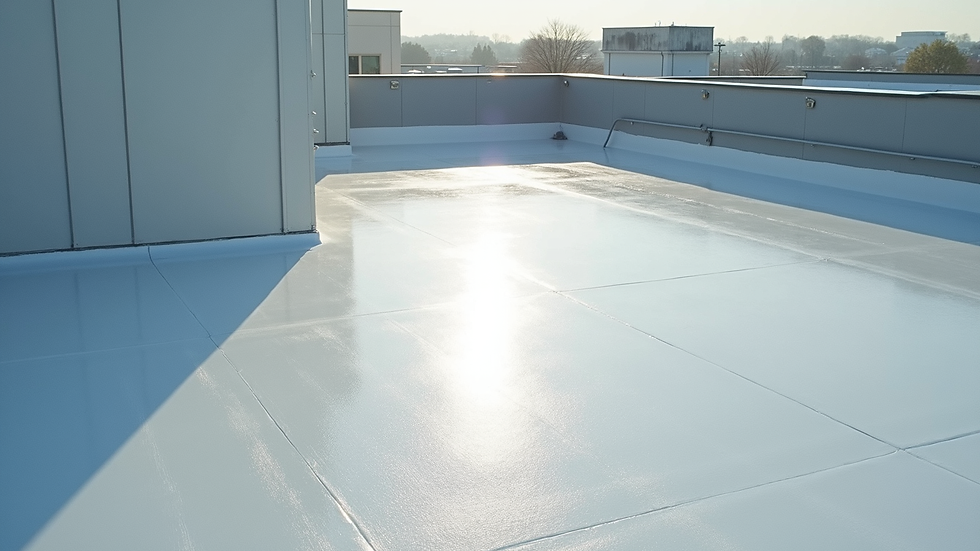
Reflective acrylic-polyurethane hybrid coating on commercial flat roof
Final Thoughts on Acrylic-Polyurethane Hybrid Roof Coatings
Acrylic-polyurethane hybrid roof coatings provide a strong, flexible, and long-lasting solution for commercial roofs. They resist dirt, weather, and wear better than many silicone coatings. Their strong adhesion and energy-saving reflectivity make them a practical choice for contractors and building owners.
Products like the Hercules Acrylic-Polyurethane Hybrid Roof Coating show how these coatings combine quality and performance. Choosing the right coating can protect your roof for years and reduce maintenance costs.
If you want a durable, professional-grade roof coating that balances cost and performance, acrylic-polyurethane hybrids deserve serious consideration. They offer a reliable way to keep commercial roofs safe and energy-efficient.
The Benefits of Choosing Hybrid Coatings
Hybrid coatings are not just a trend; they represent a significant advancement in roofing technology. By combining the strengths of different materials, they provide enhanced performance. This means fewer repairs and a longer lifespan for your roof.
Enhanced Performance
The unique formulation of acrylic-polyurethane hybrids allows them to perform well under various conditions. They can withstand extreme temperatures and resist damage from UV rays. This makes them ideal for regions with harsh climates.
Cost-Effectiveness
Investing in a quality roof coating can save you money in the long run. Acrylic-polyurethane hybrids often require less frequent maintenance. This means fewer costs associated with recoating and repairs.
Versatility in Application
These coatings can be applied to various surfaces, making them versatile. Whether you have a metal, concrete, or modified bitumen roof, there's likely a hybrid coating that will work well. This flexibility is a significant advantage for contractors.
Improved Aesthetics
Acrylic-polyurethane hybrids maintain their color and reflectivity longer than many other coatings. This not only enhances the appearance of your building but also contributes to energy efficiency. A well-maintained roof can improve the overall look of your property.
Conclusion
Acrylic-polyurethane hybrid roof coatings are an excellent choice for protecting commercial roofs. They offer durability, cost savings, and environmental benefits. With products like the Hercules Acrylic-Polyurethane Hybrid Roof Coating, you can ensure that your roof remains in top condition for years to come.
If you're considering a roof coating for your next project, I encourage you to explore the options available. The right choice can make a significant difference in the longevity and performance of your roof.


Comments